Showing posts with label Obi 帯. Show all posts

Wednesday, September 19, 2012

Yabane again!

Again, it has been some time since I updated my blog. Originally I planned to do so many kimono-related things, but in the end I barely did anything... 
Finally I found myself to be in mood for doing kimono stuff. So let's start again where I left the scene, with my yabane-komon.

Since it's already september I tried dressing it up in an autumny way and came up with a single- and a multi-coloured ensemble. Aaand of course: I was too lazy to dress myself :)

 
Colourful Ensemble


Single coloured ensemble
Items:
Ensemble 1: Kimono, Obi, Haori
Ensemble 2: Kimono, Obi, Haori

Saturday, March 10, 2012

First Project of 2012: Complete!

As I mentioned in a previous blog entry, my grandmother widened my beloved yabane-komon for me. Last weekend she finished it and it turned out awesome (thank you so much grandma <3).

It's wingspan grew as well as the overall width. It's probably still far from having the perfect wingspan, but it became much easier to wear.


Here are some pictures for comparison. I admit it's not that visible, because of my posing in the "before" picture. The sleeves don't look as short as they were:
Before


Tuesday, October 18, 2011

Re: A small kimono challenge (03)

01. How did I discover Kimono?
02. My dearest kimono items.
03. My most frequently used kimono items (excluding juban and himo).
04. My least used kimono items.
05. My favourite coordinations up until now.
06. Likes and dislikes about kimono.
07. Kimono confessions: Did you know that...?
08. The massive must-have-list (or the what-I-would-like-to-buy-but-is-far-to-expensive-for-me-list)
09. My biggest fears and wishes about kimono.
10. My biggest kimono inspiration.
11. My kimono collection.
12. The evolution of my kitsuke.

Long time no update, my exams took too much time of the few months.
Anyway let's talk about some nicer topics: My most frequently used kimono items.
It's really hard to tell for me which items are the most used one. Compared to the time I have to spent on wearing kimono (sadly they do not live with me but at my parents house) I have too much clothes (of course overall it can never be too much ;-)). But I think I used this obi rather often (at least more than twice):

Gold and purple reversible hanhaba obi.


This simple hanhaba obi isn't special at all, but it is easy to tie. Since I love wearing hakama this one always goes with them. I am thinking about buying some similar ones in other colours, but it's not really wearable with anything besides yukata (which I am not that fond of) and underneath hakama.

Not a single other items beats it in times of usage and time in my collection (it was my first obi ever <3). Due to this I won't list any further items, it would be a little random and I am already pretty "random" when it comes to buying kimono. You'd have no chance if you'd want to find a system within it :P

See you next time to see my least used kimono items!

Participating Blog's posts:
Airi-san's Kira Kira Kimono
Sekhet's My Kimono's
Geishaface.co.uk


Sunday, September 11, 2011

Re: A small kimono challenge (02)

The Challenge Questions:

01. How did I discover Kimono?
02. My dearest kimono items.
03. My most frequently used kimono items (excluding juban and himo).
04. My least used kimono items.
05. My favourite coordinations up until now.
06. Likes and dislikes about kimono.
07. Kimono confessions: Did you know that...?
08. The massive must-have-list (or the what-I-would-like-to-buy-but-is-far-to-expensive-for-me-list)
09. My biggest fears and wishes about kimono.
10. My biggest kimono inspiration.
11. My kimono collection.
12. The evolution of my kitsuke.

02. My dearest kimono items.

This is a really hard question. Basically I love all my kimono, there are only a few pieces I do not like that much (some are going to be sold in the future I guess), but these are to be discussed in one of the the next challenge questions.

What I hold dear for example is my first fukuro obi. It was my first full-width obi and I just love it deeply. I wish I would wear it more often, sadly I didn't found that much possible coordinations with it, yet. It has a lovely black-based tabane noshi pattern with butterflies, phoenixes, kiku etc.


And of course one of my treasures is the furisode my grandmother sew together for me. It's not perfect (some troubles with lining and sleeve-placement), but it's very special to me. The fukuro obi was meant to go with it, when it was bought by the way.

Kimono Closet listing: Link
lining
pattern detail
I have several other items, I love very much and would never ever give away, e.g. my hikizuri. But I guess these two items are rather outstanding, because they belong to the foundation of my kimono collection.

See you in part three of this challenge :-)


Participating blog's posts:
Airi-san's Kira Kira Kimono 
Lyuba-chan's Strawberry Kimono 
Sekhet's My Kimono's
Geishaface.co.uk

Tuesday, July 5, 2011

Random Outfit


Threw together my newly arrived vintage komon, one of my new obi and a randomly chosen colour for accessory (^_^)

Items: Kimono, Obi

Sunday, June 19, 2011

Pink, Red and White Coordination

I apologize for it's messiness, it was a little rushed.When I look at it I think of strawberry ice-cream with cream and syrup. Yummy.


Items: Kimono, Obi

Saturday, June 18, 2011

Summer Houmongi


I like this houmongi very much, the sleeves are a little bit longer than standard length. Thus my standard ro juban doesn't fit.

Items: Kimono, Obi

Thursday, June 16, 2011

Average Vintage Coordination

I am not that happy with these coordinations, but I thought I should upload it to show, what I wouldn't wear out (^.^)
Maybe some minor changes would make them much better. I'll think about it later.

Items: Kimono (1), (2); Obi (1), (2)

Wednesday, June 1, 2011

Iromuji Fun

It's not that easy for me to pull together plain ensembles. I just love colours too much and I am constantly drooling over really fancy vintage combinations.
But I tried out myself for the sake of my lovely iromuji and combined it with the first nagoya obi I ever bought.Did I do ok?


Items: Kimono, Obi, Michiyuki

Thursday, May 5, 2011

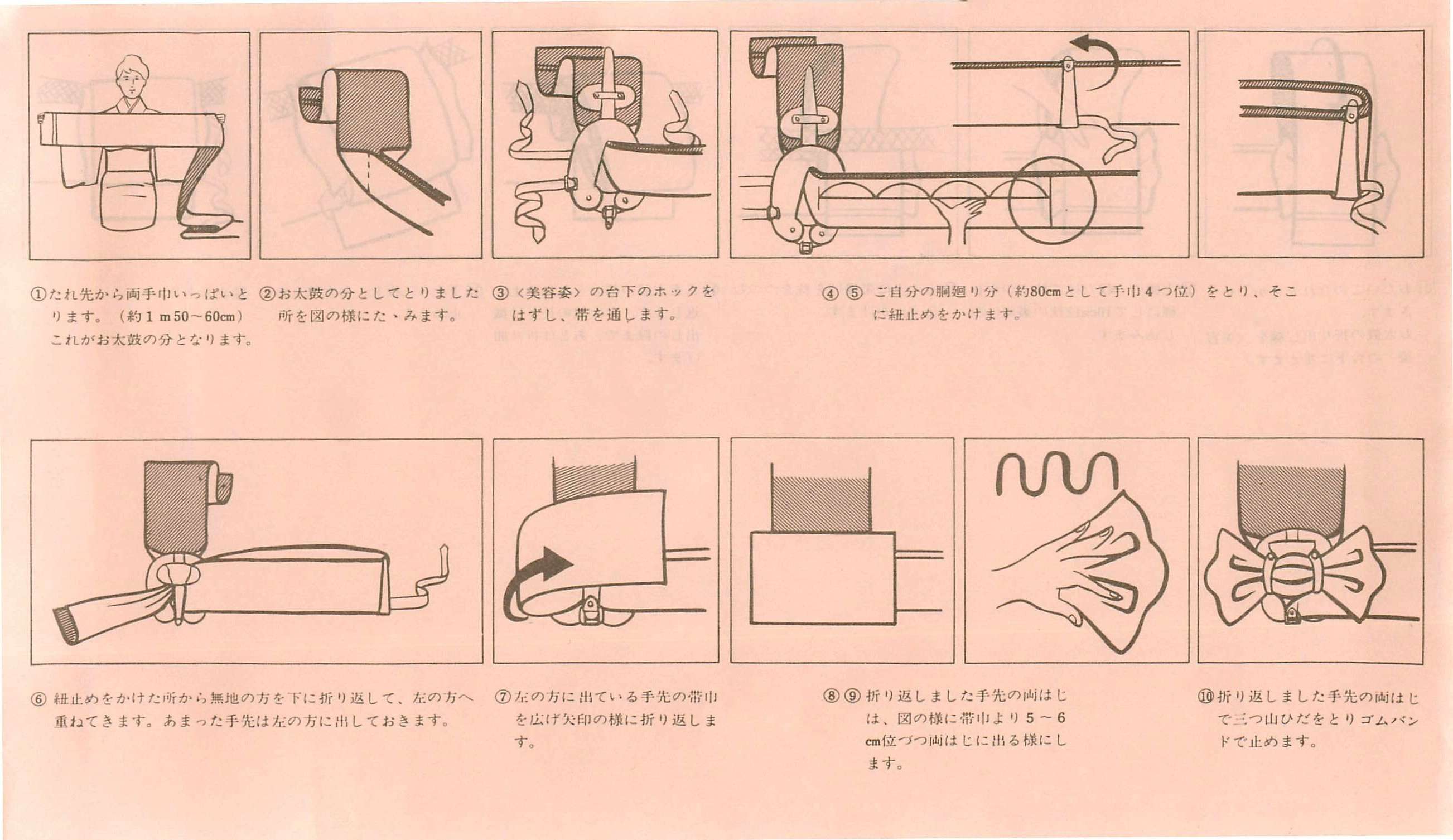
Sugata Musubi No. 5: Noshimetaiko 熨斗目太鼓結び


The last instruction from my small biyou-sugata booklet.
(click to enlarge)

Tuesday, May 3, 2011

[Beginner's Guide] Most common women's obi.

After looking at the most common women's kimono, let's have a look at the obi!
Again, I'll start with the most informal one.

Nachdem wir uns bereits die am häufigsten vorkommenden Kimono angeschaut haben, werfen wir einen Blick auf die Obi! Auch hier beginnend mit den Einfachsten und Informellen.


Heko Obi 兵児帯 (へこおび)
literally: soft sash, wörtlich: weiche Schärpe

width (Breite): ~20-30 cm (7.9-12 inch)
length (Länge): ~300 cm (9.8 inch)

Characteristics:
  • soft, thin fabric (silk, synthetic etc.)
  • often with shibori dye
  • mostly single coloured
  • very casual, originally children and men only
I do not own one, so I can't provide a picture myself, yet.

Merkmale:
  • weicher, dünner Stoff (Seide, Synthetik usw.)
  • oft mit Shiborifärbung
  • meist unifarben
  • sehr informell, ursprünglich nur für Kinder und Männer
Da ich selber noch Keinen besitze, kann ich vorläufig kein Bild davon zeigen.


Hanhaba Obi 半幅帯/半巾帯 (はんはばおび)
literally: half-width obi, wörtlich: halb breiter Obi

width (Breite): ~15 cm (5.9 inch)
length (Länge): ~300-400 cm (9.8-13 inch)

Hanhaba is one Term to describe half-width. Originally hanhaba ist just one sort of half-width obi, but the other names are rarely used and mostly listed under hanhaba anyway.

Hanhaba ist nur eine Bezeichnung für Obi halber Breite. Eigentlich sogar nur eine bestimmte Sorte. Da aber alle anderen meistens auch unter Hanhaba gelistet sind, belasse ich es erst einmal dabei diesen zu Beschreiben.

 
Characteristics:
  • often two-sided
  • simple ones are plain coloured
  • synthetic is common for modern ones
  • informal
Merkmale:
  • Seiten oft unterschiedlich gemustert
  • ganz Einfache sind unifarben
  • Synthetik ist heutzutage am Häufigsten
  • informell
More examples/Mehr Beispiele: Hanhaba Obi


Nagoya Obi 名古屋帯 (なごやおび)
literally: obi from Nagoya, wörtlich: Obi aus Nagoya

width (Breite): ~30 cm (12 inch)
length (Länge): ~315-345 cm (10.33-11.32 inch)

The most common obi nowadays. It's usually of informal character, but this may not apply for some vintage pieces. Because of it's structure it's very easy to spot.

Der heutzutage gebräuchlichste Obi. Er ist normalerweise informell, für einige ältere Stücke ist dies aber nicht pauschal festzulegen. Aufgrund seiner Struktur ist er sehr einfach auszumachen.

Characteristics:
  • one end pre-folded and sewn in half*
  • often just partially patterned
  • Silk, synthetic, wool...
  • shorter than other full-width obi
  • easier to wear (if long enough)
Merkmale:
  • ein Ende gefaltet und auf halbe Weite zusammen genäht*
  • oft nur stückweise gemustert
  • aus Seide, Synthetik, Wolle...
  • kürzer als andere Obi voller Breite
  • einfacher zu tragen (wenn lang genug)

*Some may be not sewn (anymore), but there will be no lining in this part.
Manche werden nicht (mehr) zusammen genäht sein. An der entsprechenden Stelle findet sich aber gewöhnlich kein Futterstoff.

More examples/Mehr Beispiele: Nagoya Obi


Tsuke Obi 付け帯 (つけおび)/ Tsukuri Obi 作り帯 (つくりおび)

also, auch: Kantan Obi 簡単帯 (かんたんおび)

All three terms describe a pre-tied obi. Generally only the informal obi types (exception: heko-obi) shown above are found as tsuke-obi. Sometimes old/damaged/stained obi are converted into tsuke-obi to hide it, making it wearable again.
hanhaba-type pre-tied obi are very popular to wear with Yukata.

Alle drei Begriffe bezeichnen einen fertig gebundenen Obi. Normalerweise kann jeder zuvor gezeigte, informelle Obityp (Ausnahme: Heko-obi) als ein Solcher vorkommen. Es kommt vor, dass ältere/beschädigte/befleckte Obi in Tsuke Obi umgeändert wurden, um den Schaden zu verbergen und ihn wieder tragbar zu machen. Fertigobi des Hanhabatyps sind sehr beliebt zu Yukata.

Characteristics:
  • consists of two parts: body-panel and knot
  • tied with straps
  • very easy to wear
  • always informal
  • fabric according to type
I do not own one, so I can't provide a picture myself, yet.

Merkmale:
  • besteht aus zwei Teilen: Schärpe und Knoten
  • wird mit Bändern gebunden
  • sehr einfach zu tragen
  • immer informell
  • Stoff entsprechend der Art
Da ich selber noch Keinen besitze, kann ich vorläufig kein Bild davon zeigen.


Fukuro Obi 袋帯 (ふくろおび)

literally: pouch obi, wörtlich: Beutelobi


width (Breite): ~30 cm (12 inch)
length (Länge): ~360-450 cm (11.8-14.8 inch)

Characteristics:
  • colourful/gold/silver embroidered
  • intensive background colour is often seen
  • mostly about 60% patterned
  • heavy (synthetic) silk-brocade is standard
  • formality: second highest
  • difficult to tie
Merkmale:
  • farbenprächtige/Gold-/Silber-Stickereien
  • häufig intensive Basisfarben
  • meist nur zu 60% gemustert
  • schwerer (synthetischer) Seidenbrokat üblich
  • zweit formellster Obi
  • schwer zu binden

More examples/Mehr Beispiele: Fukuro Obi


Maru Obi 丸帯 (まるおび)
literally: one-piece obi, wörtlich: einteiliger Obi

width (Breite): ~30-35 cm (12-14 inch)
length (Länge): ~360-450 cm (11.8-14.8 inch)

The cloth this obi is made of is about 68cm wide. To make the maru-obi it's folded around it's lining fabric and sewn together in half this width (~30-35cm). Thus it's name.

Der Stoff aus dem dieser Obi hergestellt wird ist etwa 68cm breit. Bei der Herstellung wird er um den steifen Futterstoff gefaltet und zusammen genäht (~30-35cm). Daher auch sein Name.

Characteristics:
  • usually light/soft coloured background
  • rich, weaved-in patterns/embroidery
  • full patterned
  • heavy silk-brocade is standard
  • most formal, but rarely used
  • difficult to tie
Merkmale:
  • häufig helle Grundfarbe
  • reichlich eingewebte Muster, Stickereien
  • komplett gemustert
  • schwerer Seidenbrokat ist Standard
  • am Formellsten, aber selten benutzt
  • schwer zu binden

More examples/Mehr Beispiele: Maru Obi


There are many other types like hybrids, rare spotted, vintage/antique ones. Later more on the rarer ones.
For the beginning this are the types you should be able to tell apart.

Es gibt einige andere Arten, wie Hybride, selten auftauchende und antike Obisorten. Später mehr zu dazu.
Für den Anfang reicht es, wenn ihr die Vorgestellten auseinander halten könnt.

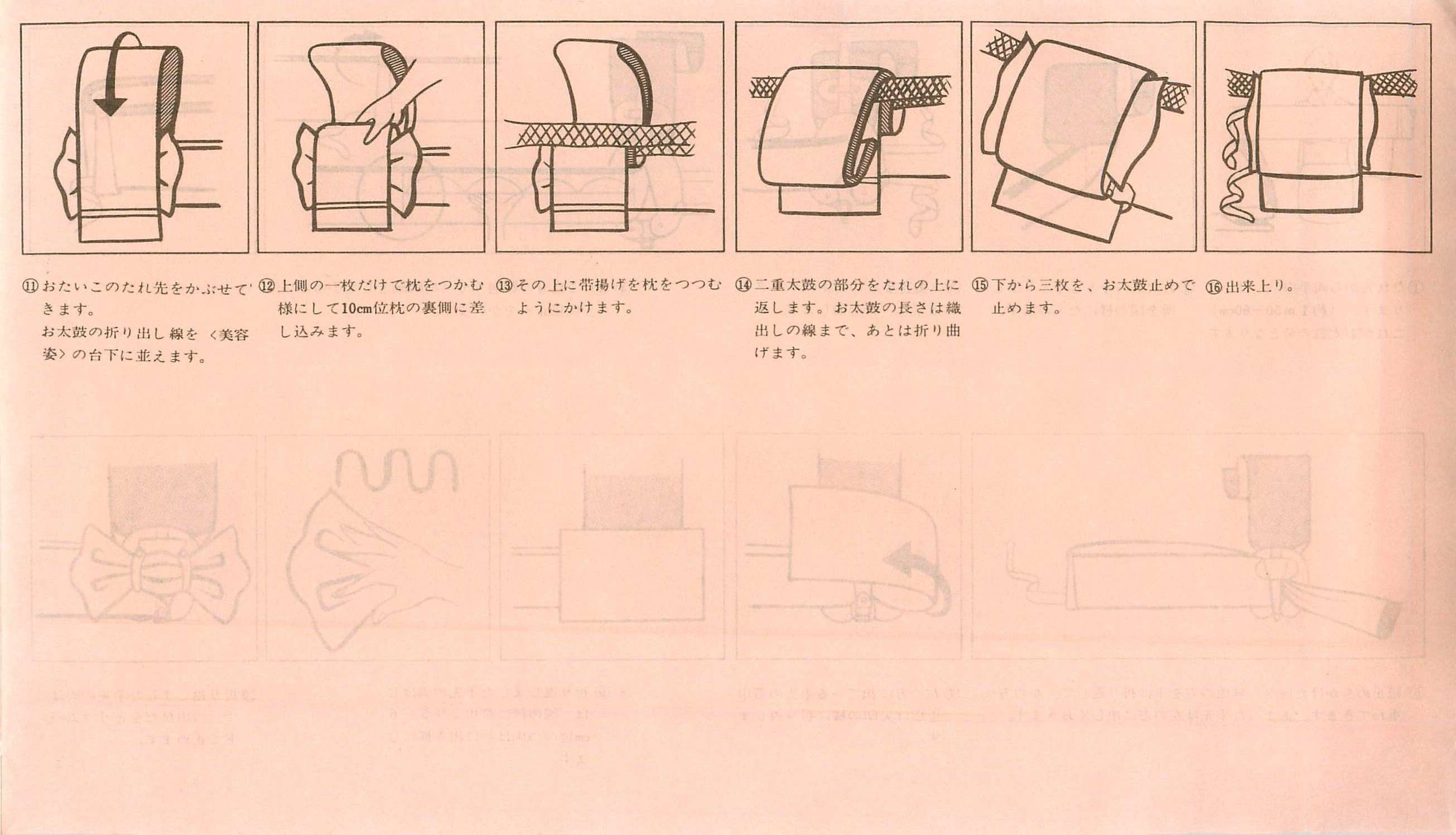
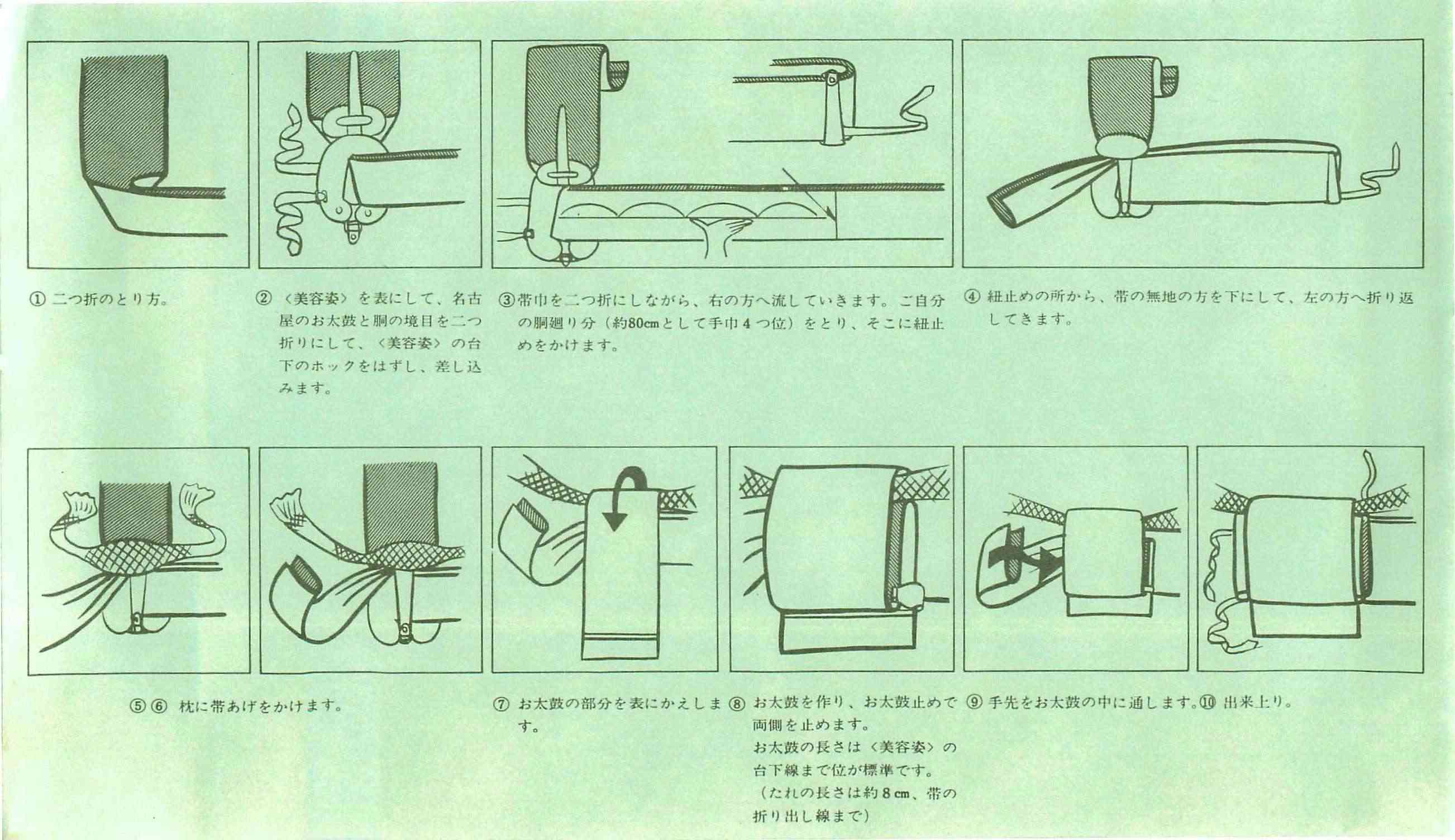
Sugata Musubi No. 6: Nagoya Otaiko 名古屋帯の太鼓結び

(click to enlarge)

Wednesday, April 27, 2011

Sugata Musubi No. 3: Shichigosan 七五三結び方

Obviously this children's musubi is meant to be done with children's obi. (祝帯)
Looks really sweet, doesn't it?
(click to enlarge)

Monday, April 25, 2011

Enjoying Yukata and the Sun


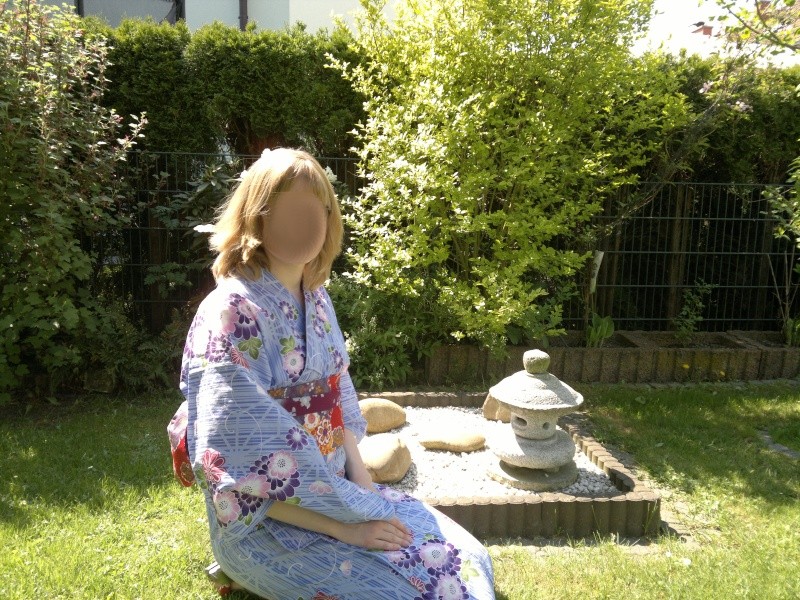
Temperature has been stable above 20°C since last week, so today I decided my yukata needs to be used again even if it's still April.
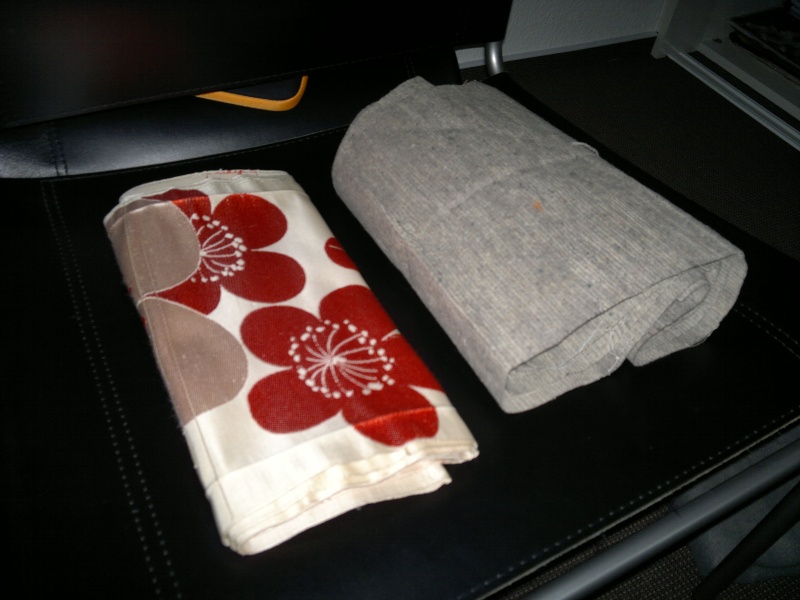
'Cause it's yukata I used just one towel and didn't padded my chest properly.

Items: Kimono, Obi, Geta

Saturday, April 23, 2011

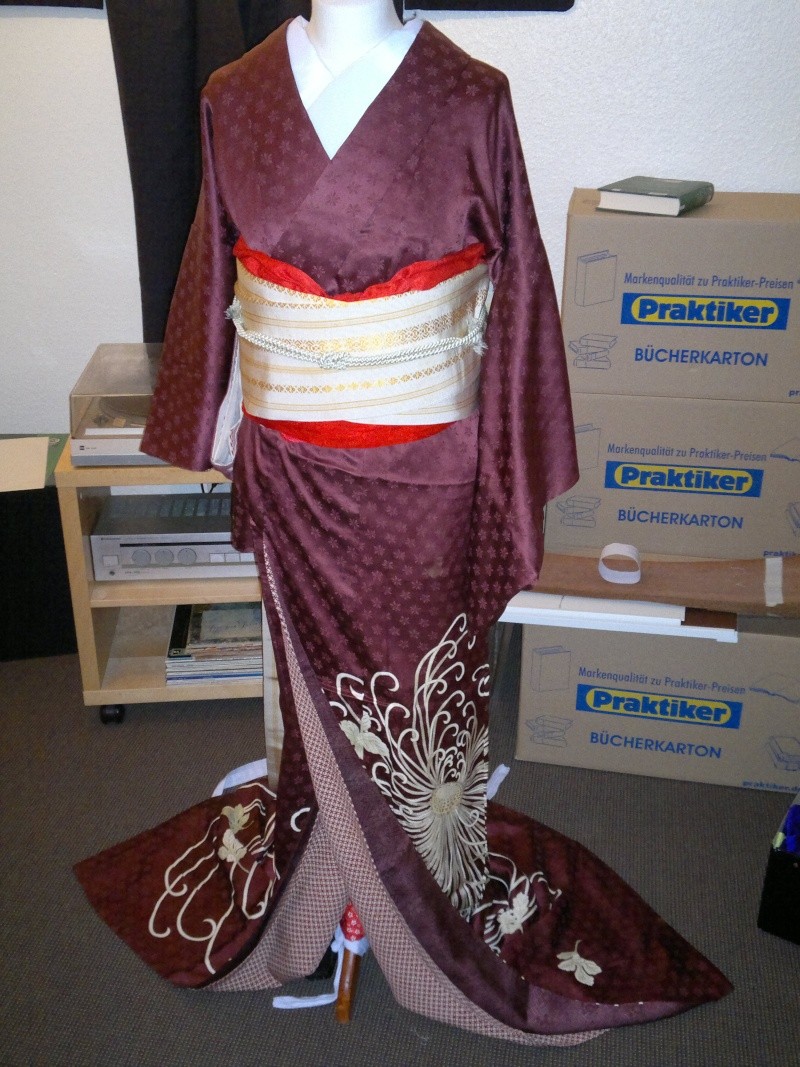
How it could look like: Geiko Kitsuke

In some weeks I expect my katsura to be delivered (don't ask what I paid for shipment...). To prepare I dressed up my mannequin again, this time with my bordeaux hikizuri.The obijime doesn't seem to be the best choice and I'm open for any suggestions.
I admit being lazy, too. The obi is just loosely hanging down in the back, is still to be cleaned and all in all I should have draped it a little bit nicer ^^
Anyway, I can't wait for my katsura to arrive. Want to try how I look with it XD

Items: Kimono, Obi

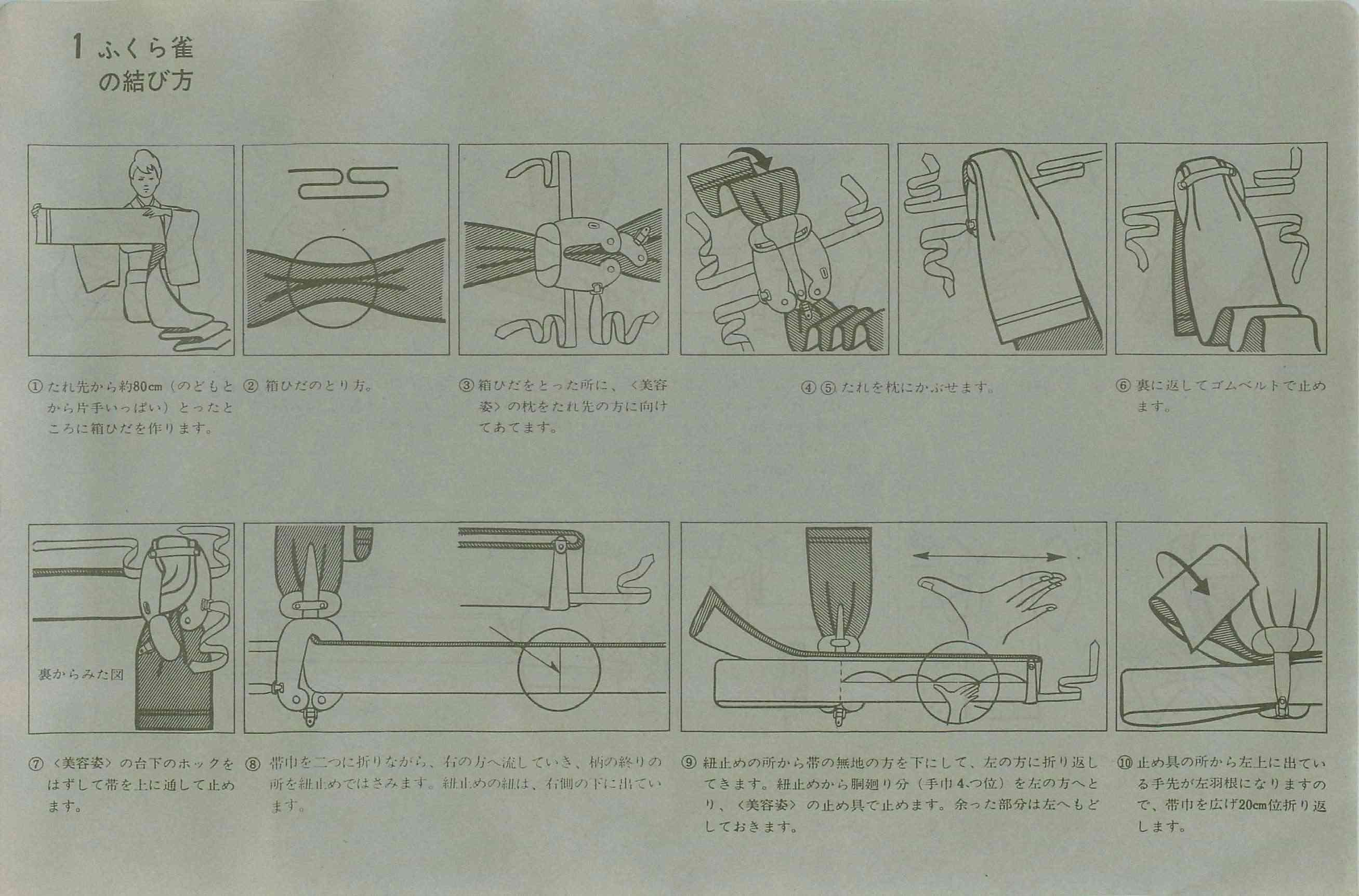
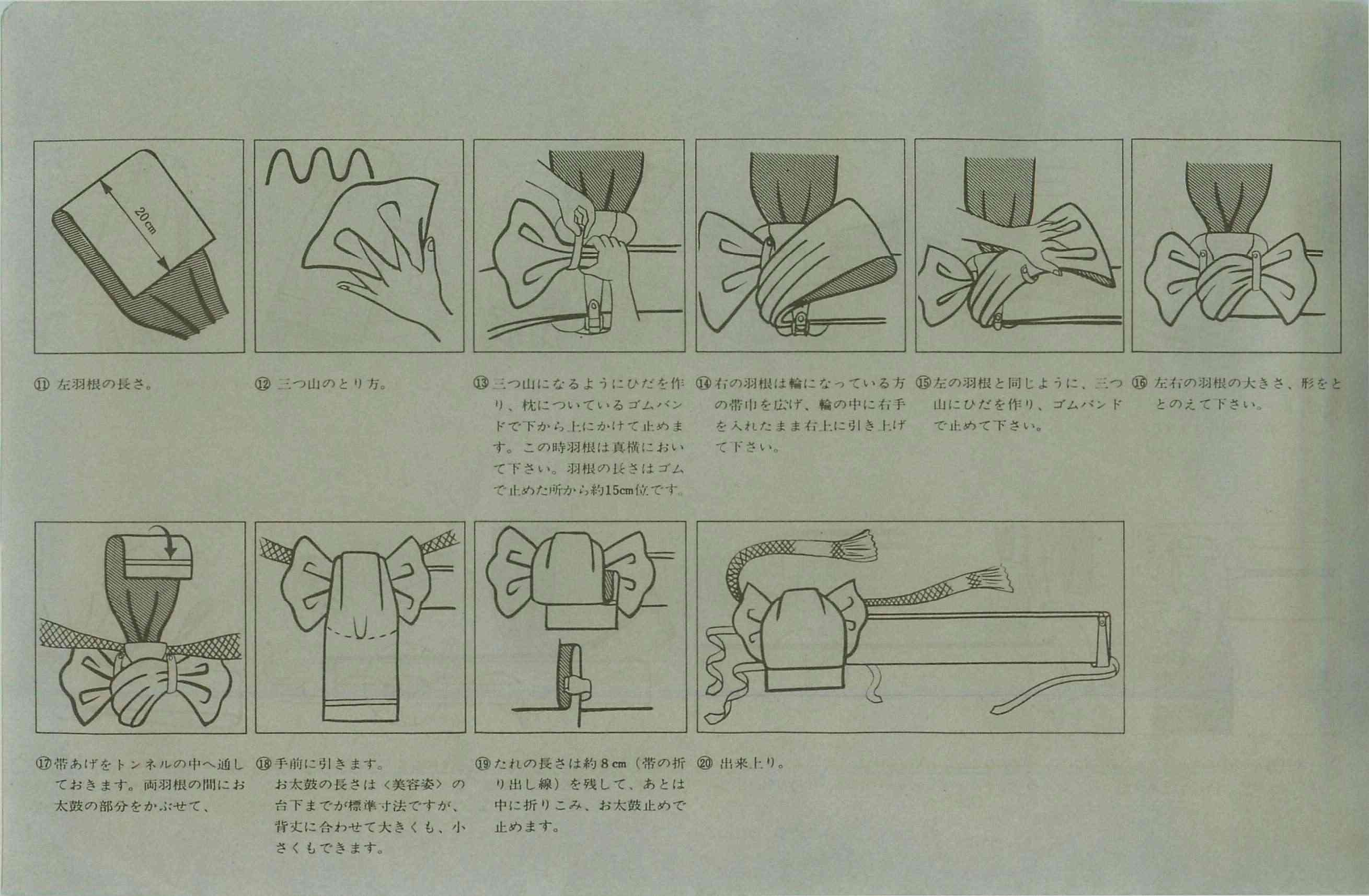
Sugata Musubi No. 1: Fukurasuzume ふくら雀の結び方

Most common to go with Furisode, the fukurasuzume-musubi. Again for fukuro-obi.
(click to enlarge)

Thursday, April 21, 2011

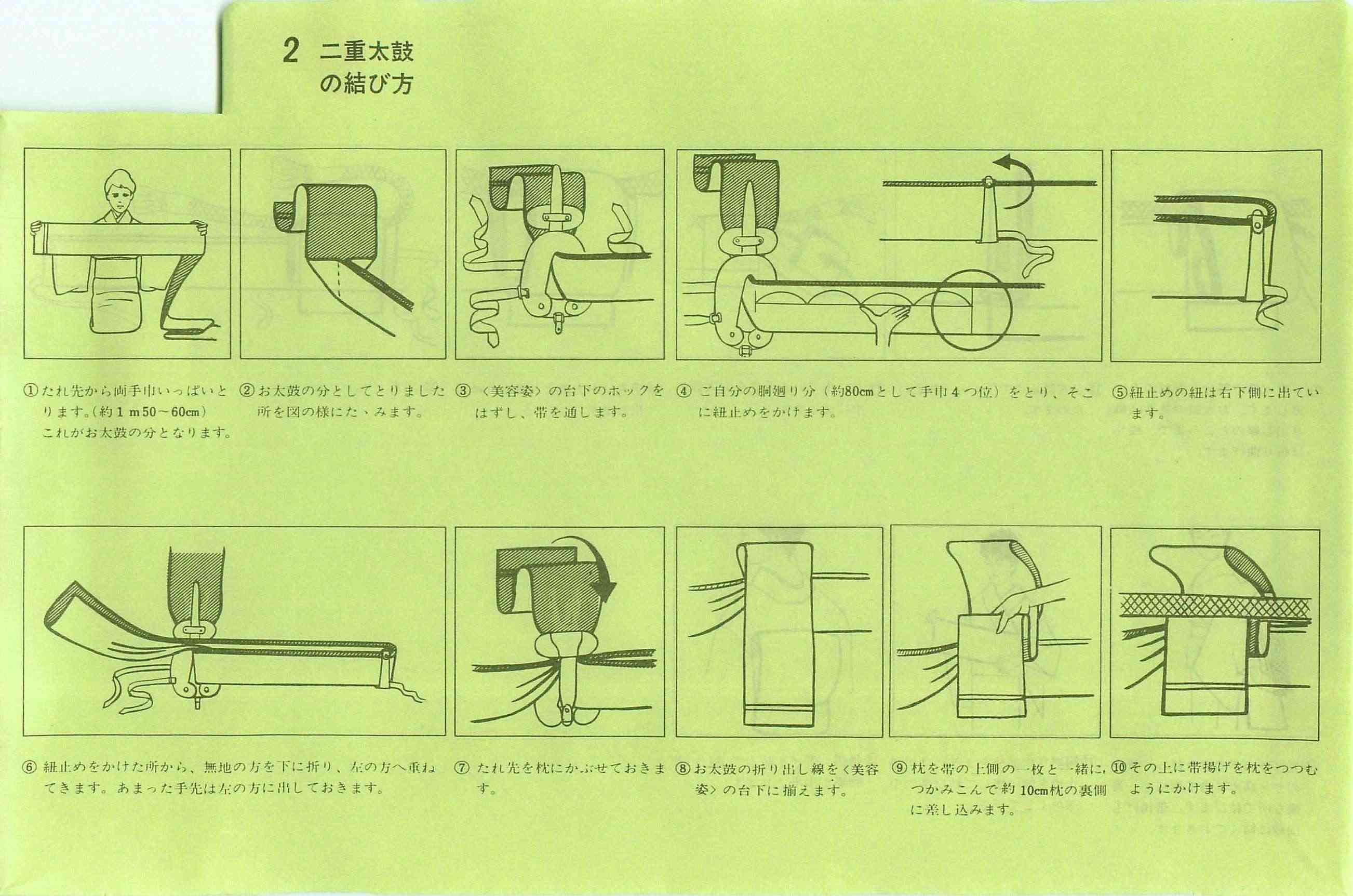
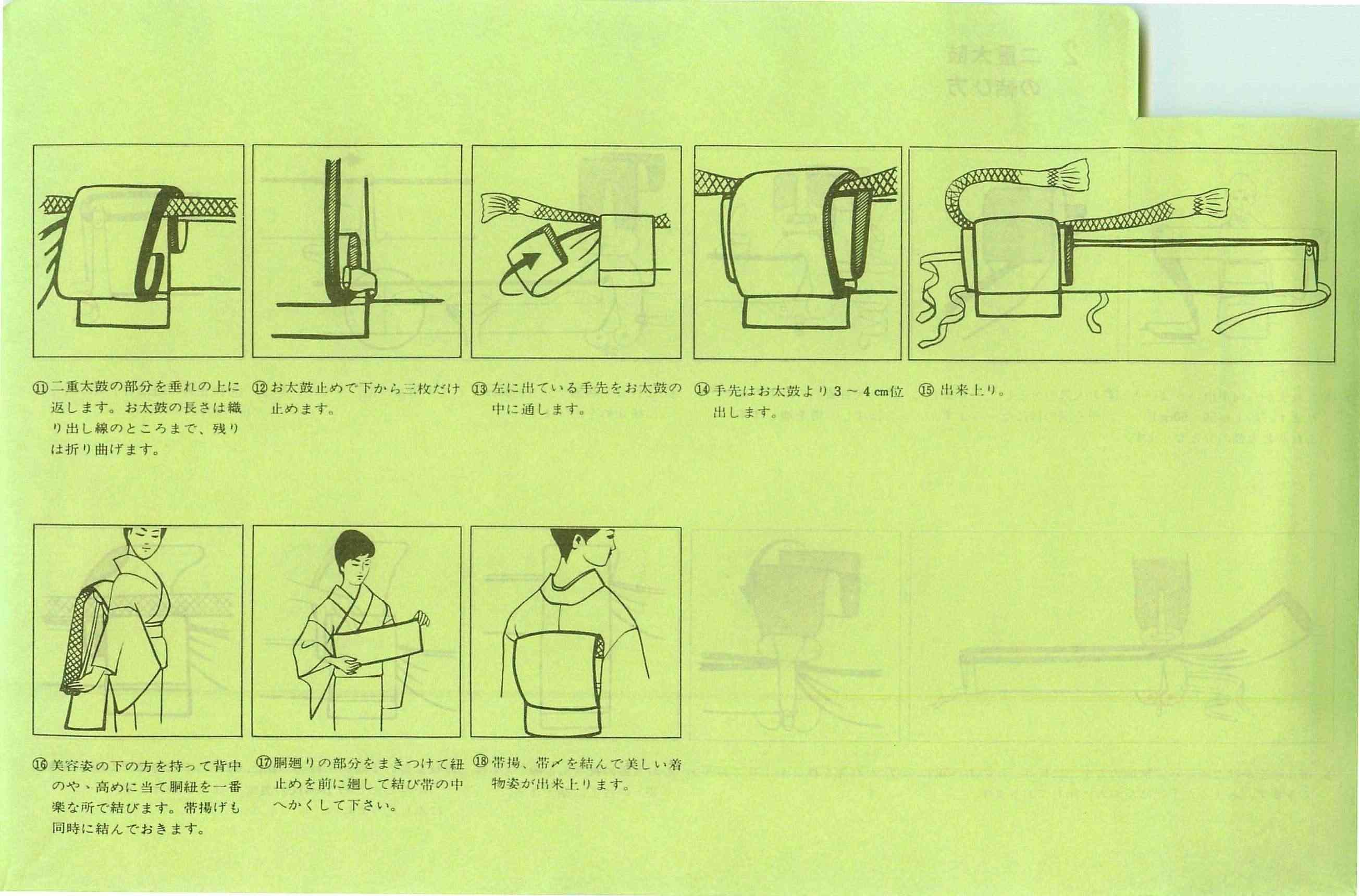
Sugata Musubi No. 2: Nijuutaiko 二重太鼓結び方

I guess this one is found quite more often. Otaiko for fukuro-obi:
(click on image to enlarge)

Wednesday, April 20, 2011

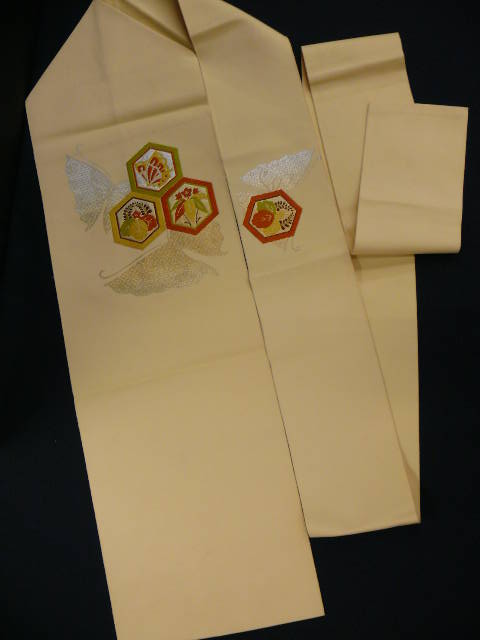
Obi - Taken apart

As mentioned in my last sewing stuff blog entry, I've got another project going on, which has higher priority for now.
It's an Nagoya-obi I purchased for some dollars and is too short for me to wear. So this obi is my victim for a "sew a pre-tied obi" experiment. The first step is already done: I took it apart and removed the lining fabric. I have a subtle feeling there's more lining fabric than anything else XD
Next, I will get it cleaned, 'cause there are some stains in several place. Wish me luck it won't get ruined.

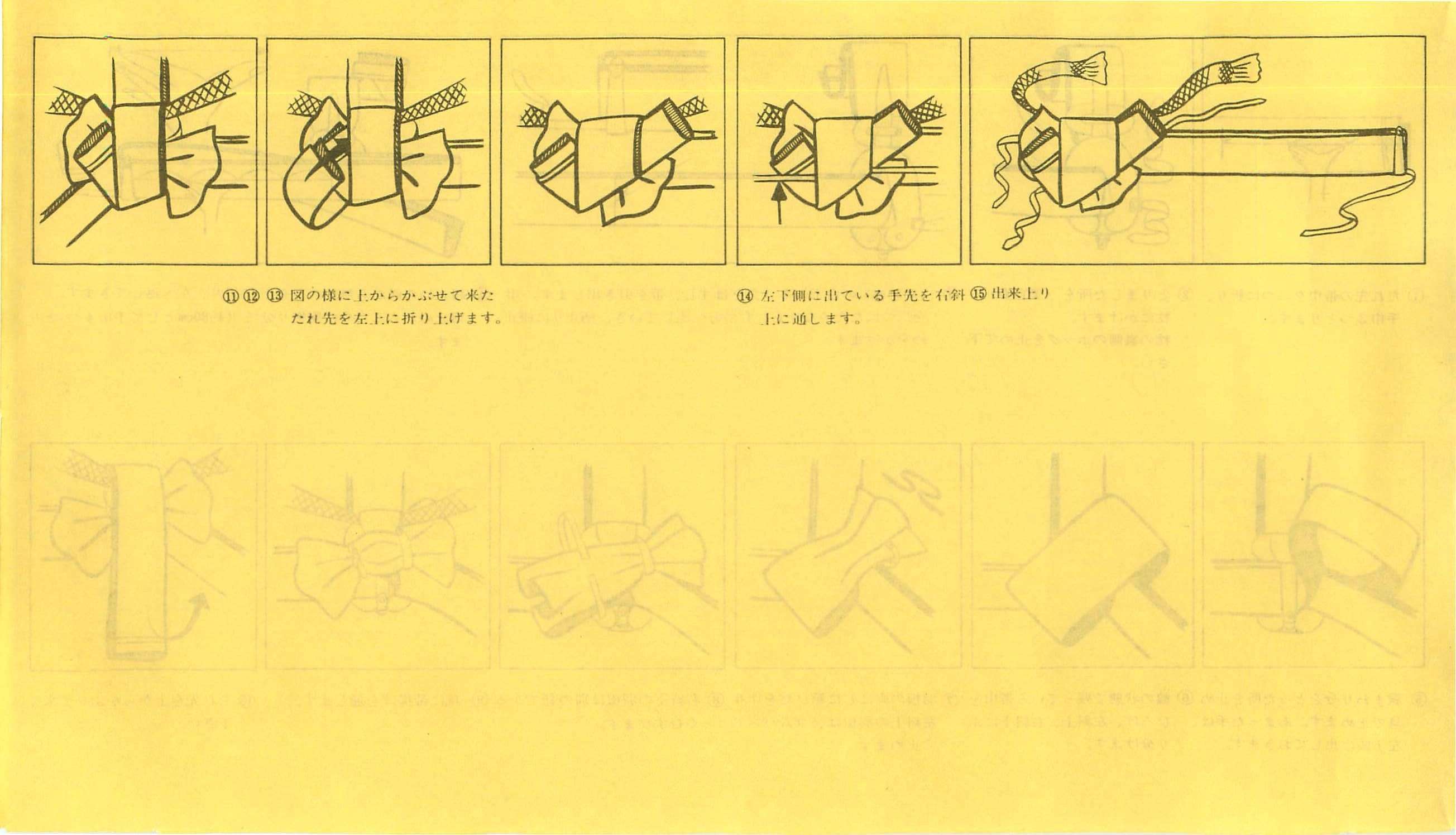
Sugata Musubi No. 4: En-musubi 縁結び

My biyou-sugata came with an envelope containing several instructions for pre tied obi-musubi. I thought I should share with you and started to make scanlations.
Most are very common, so there are already many instruction found on the internet, but I didn't see this one, yet.
It's labelled to be for fukuro-obi.
(click to enlarge)

Friday, April 15, 2011

Wool ensemble


I thought I need to update a little bit. A month ago I wore this to my japanese class, celebrating my first passed JLPT exam (^.^) It was pretty cold outside, so forgive me for not wearing traditional footwear and some yofuku underneath XD

Items: Kimono, Obi